Sewer Smell Solutions in Reno, Nevada
Experiencing a foul sewer smell in your home? Whether it's coming from your bathroom, basement, or kitchen, Reno Plumbing Doctor can quickly diagnose and fix the problem. Don't let sewer gas odors affect your family's health and comfort.
- Fast Diagnosis & Repair
- Experienced Technicians
- Same-Day Service Available
- Warranty Protection



Understanding Sewer Gas in Your Home
Sewer gas is a mixture of toxic and non-toxic gases produced by decomposing organic matter in your sewage system. The distinctive rotten egg smell is caused by hydrogen sulfide, but sewer gas can also contain ammonia and methane—both of which can be harmful to your health and even flammable.
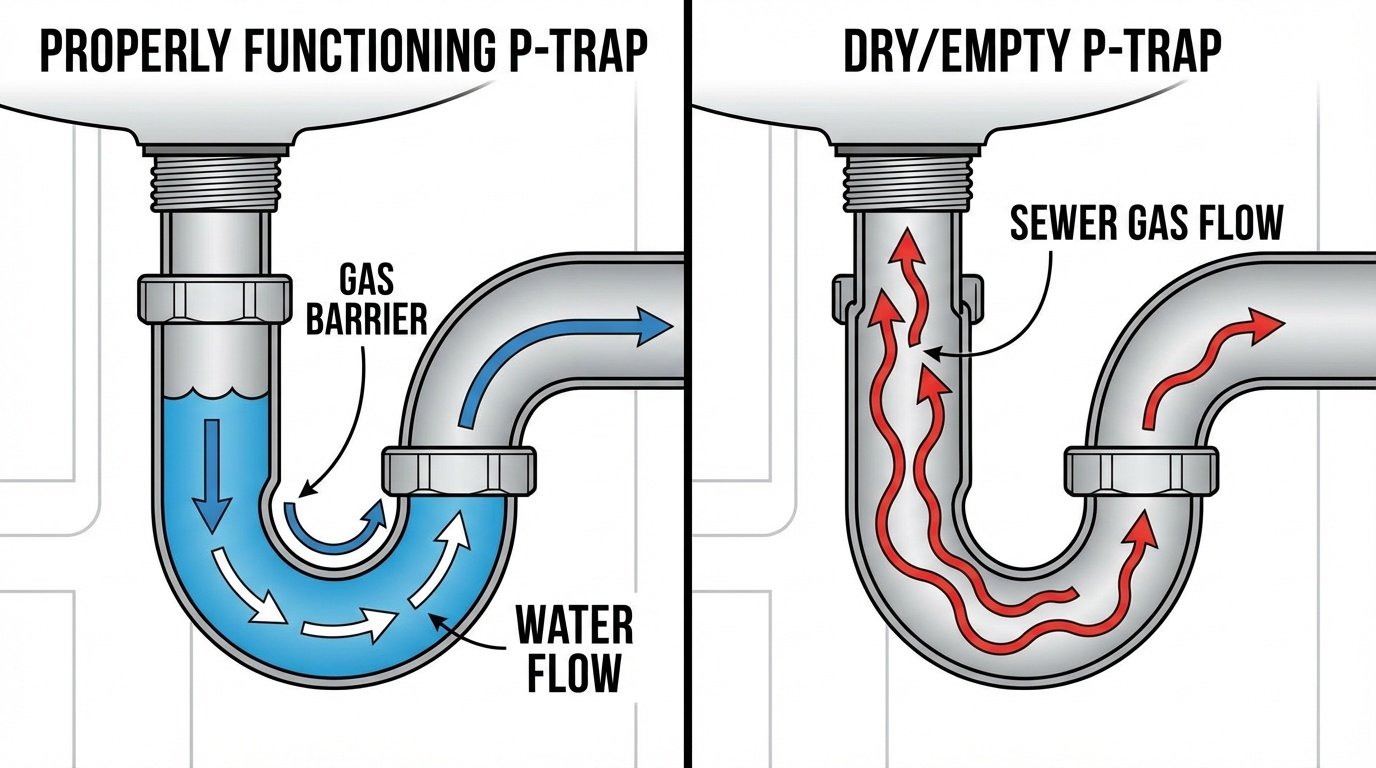
Dry P-Trap
The P-trap is a U-shaped pipe under your sink that holds water to create a barrier against sewer gases. If a sink, shower, or floor drain isn't used for a while, the water evaporates, allowing sewer gas to enter your home.
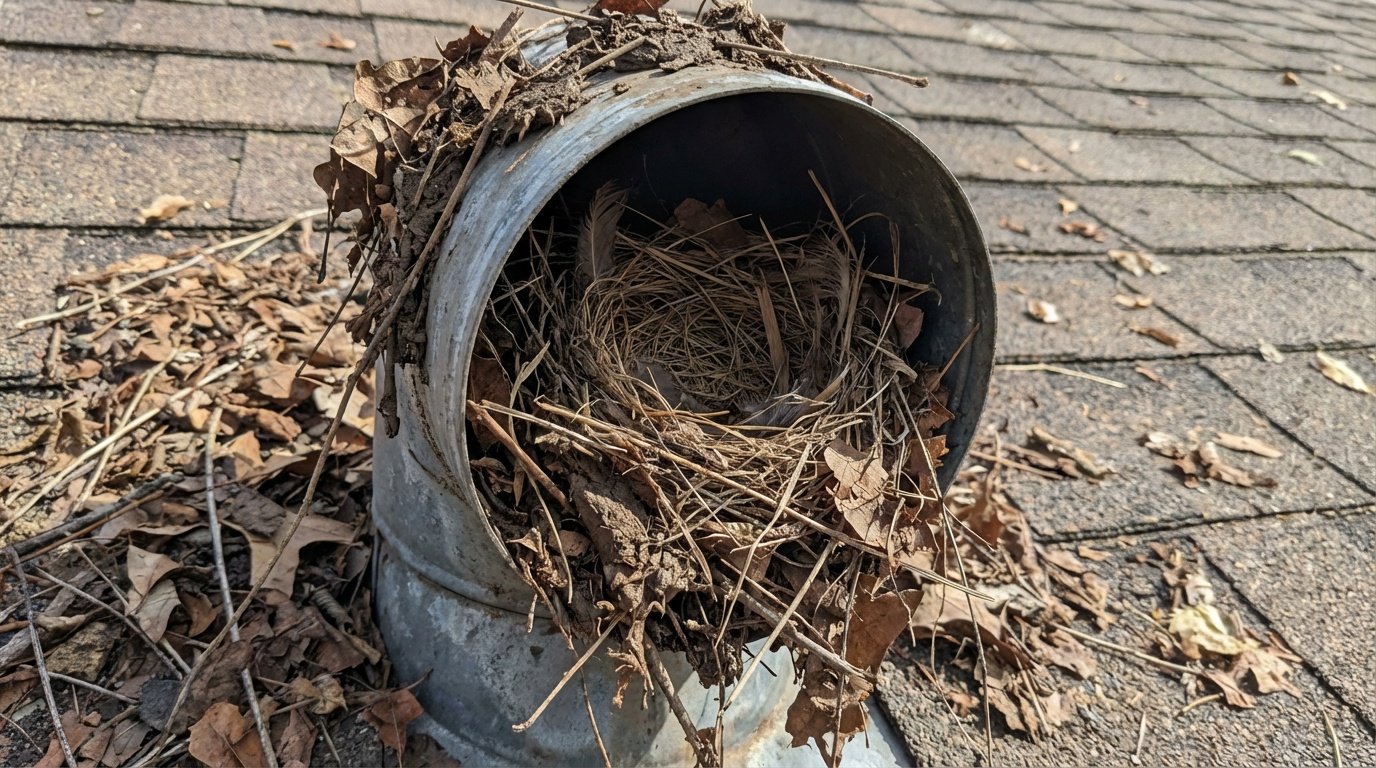
Clogged Vent Pipe
Vent pipes allow air into your plumbing system to maintain proper pressure. When blocked by debris, leaves, or bird nests, sewer gas can be forced back into your home through drains.

Leaking Plumbing Seals
Over time, seals around drainpipes, toilets, and connections can deteriorate or loosen, creating gaps where sewer gas can escape into your living spaces.
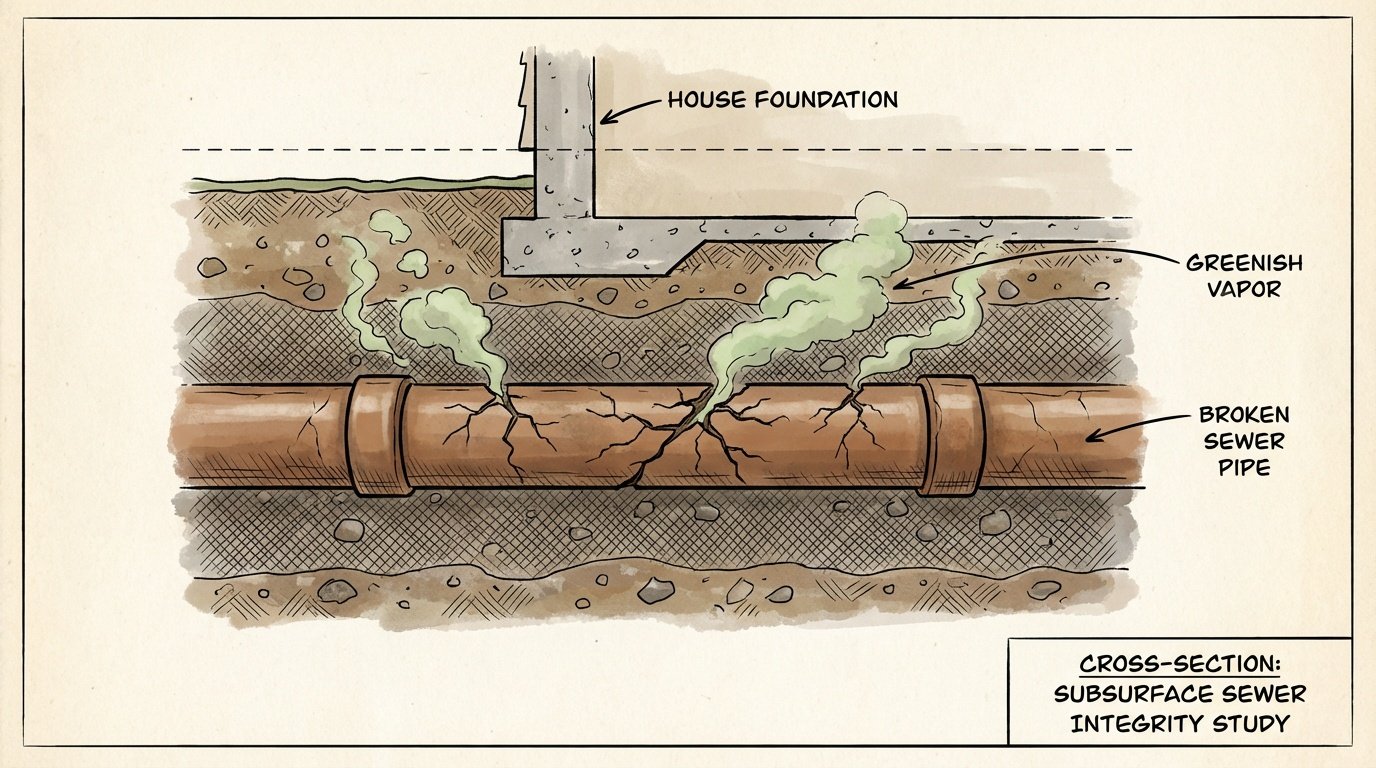
Damaged Sewer Line
Cracks, breaks, or deterioration in your sewer line can allow sewer gas to seep into your basement or crawl space, creating persistent odor problems.
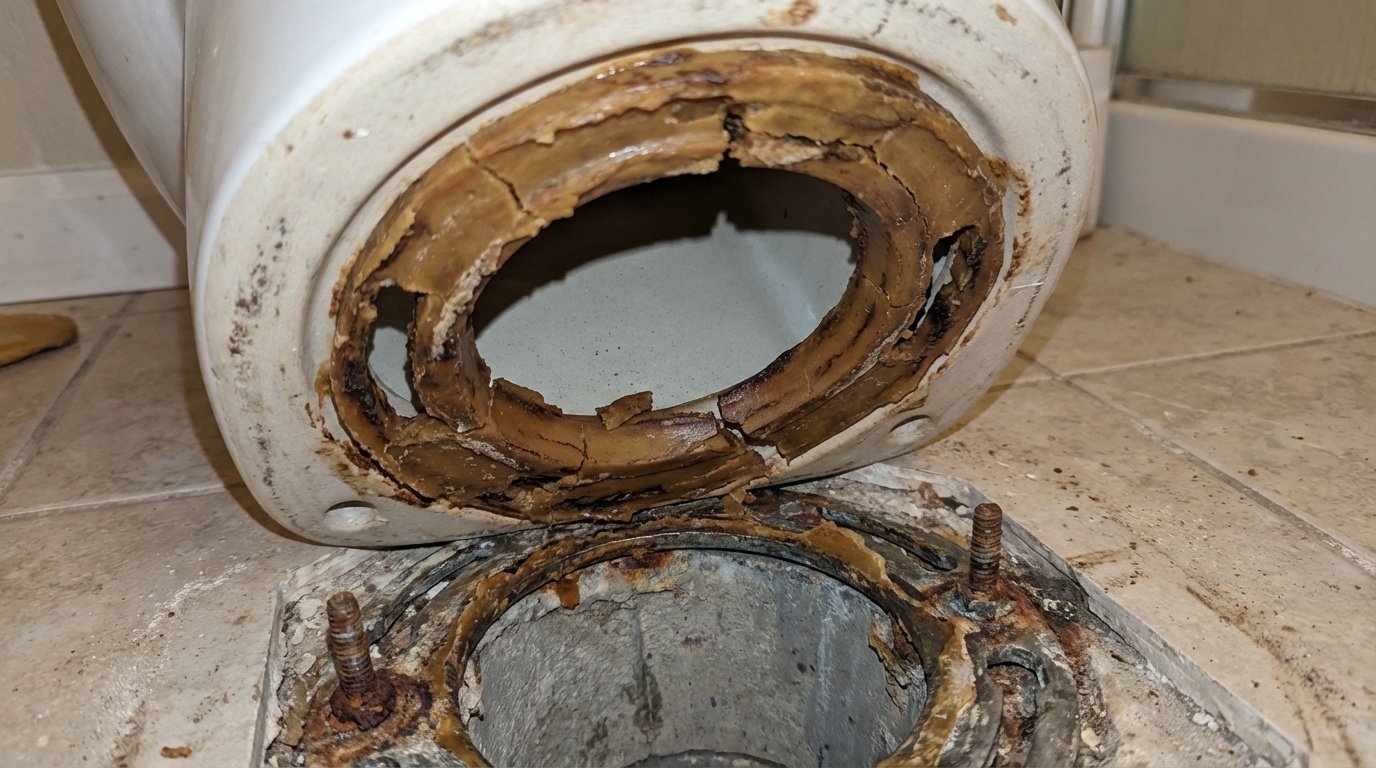
Wax Ring Failure
The wax ring seal at the base of your toilet can dry out or become damaged, allowing sewer gas to escape around the toilet base—a common source of bathroom odors.
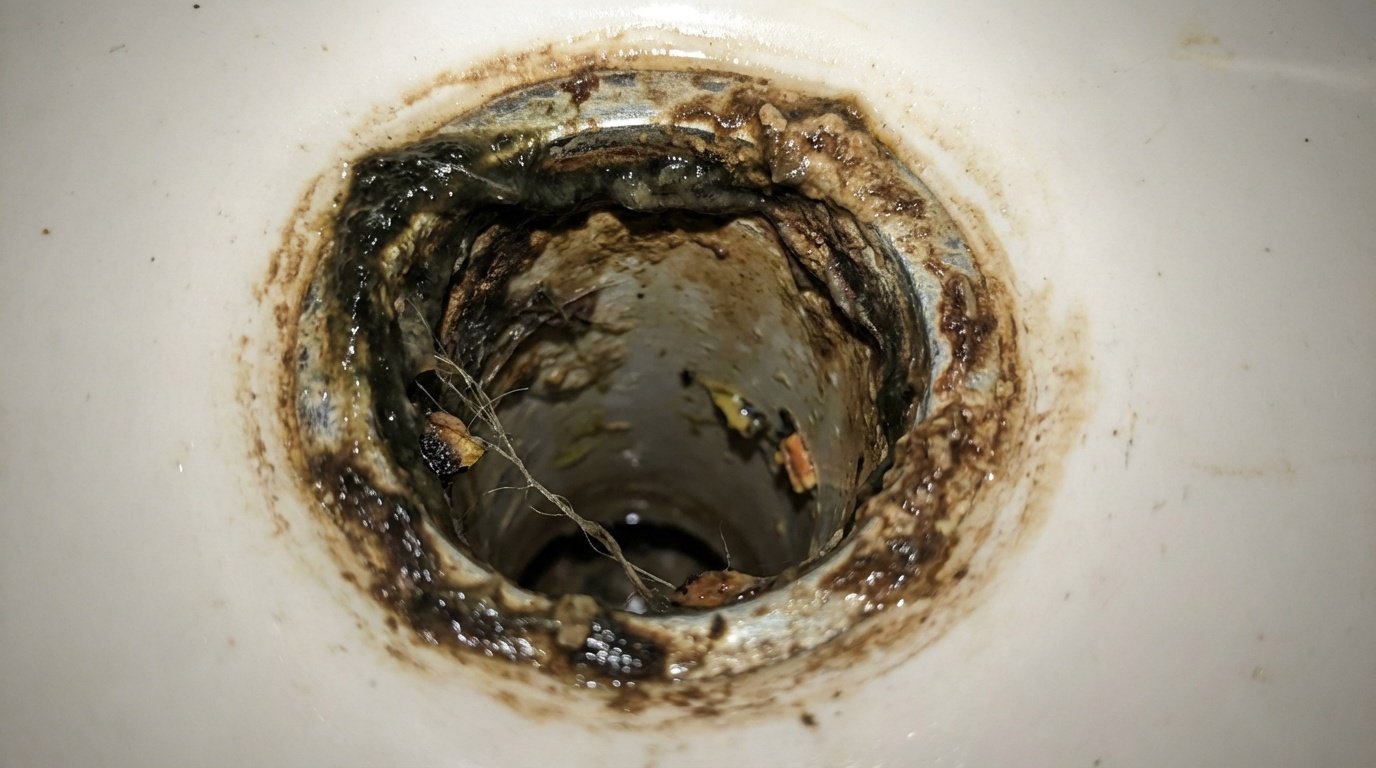
Sink Overflow Issues
The overflow hole in bathroom sinks can harbor bacteria and debris, producing foul odors. This small opening is often overlooked but can be a significant source of smell.

Health Risks of Sewer Gas Exposure
Sewer gas exposure isn't just unpleasant—it can pose serious health risks to you and your family:
- Respiratory Problems: Prolonged exposure to sewer gas can cause breathing difficulties, coughing, and throat irritation. People with asthma or respiratory conditions are especially vulnerable.
- Nausea and Dizziness: High levels of hydrogen sulfide can cause headaches, nausea, dizziness, and fatigue. These symptoms often worsen with continued exposure.
- Fire Hazard: Methane, a component of sewer gas, is highly flammable. In enclosed spaces with poor ventilation, methane can accumulate and create an explosion risk.
- Severe Neurological Effects: In extreme cases, prolonged exposure to high concentrations can lead to memory loss, loss of coordination, and even asphyxiation.
- Eye Irritation: Sewer gas can cause redness, watering, and burning sensations in the eyes, particularly in poorly ventilated areas.
Don't risk your family's health—call Reno Plumbing Doctor at the first sign of sewer smell!
Emergency Sewer Smell Service
Don't Wait—Sewer Gas Can Be Dangerous!
If you're experiencing sewer smells in your home, it's important to address the problem immediately. Our expert plumbers are available for same-day service in Reno and surrounding areas.
Troubleshooting Sewer Smells:
What You Can Try First
Before calling a professional, here are some simple steps you can take to identify and potentially resolve the issue:
Kitchen Sink Sewer Smell
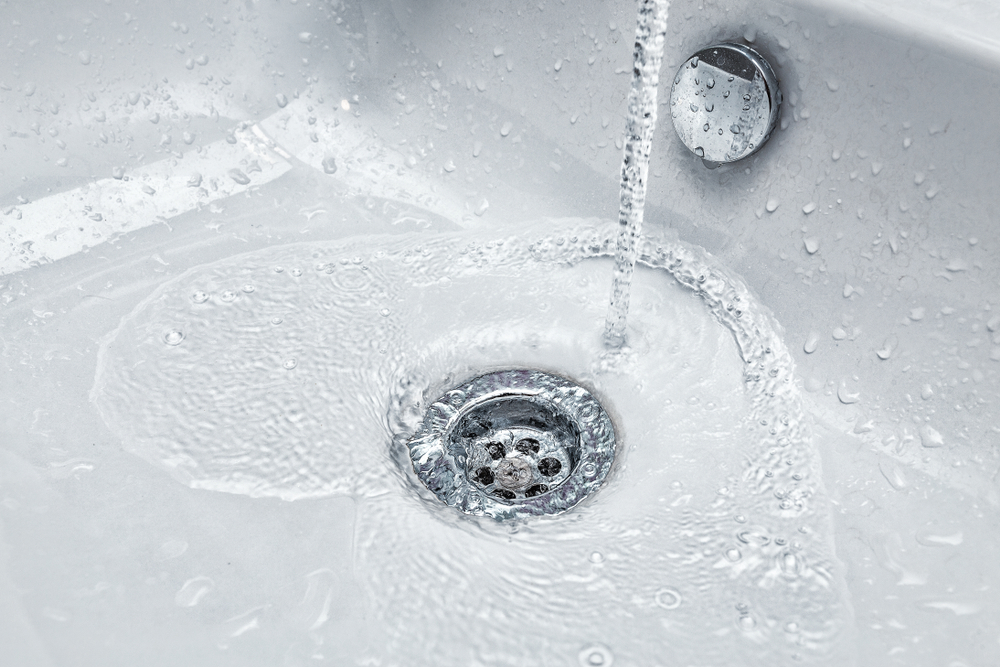
- Run water for 2-3 minutes to refill the P-trap
- Check for leaks under the sink
- Clean the sink overflow with a brush and vinegar
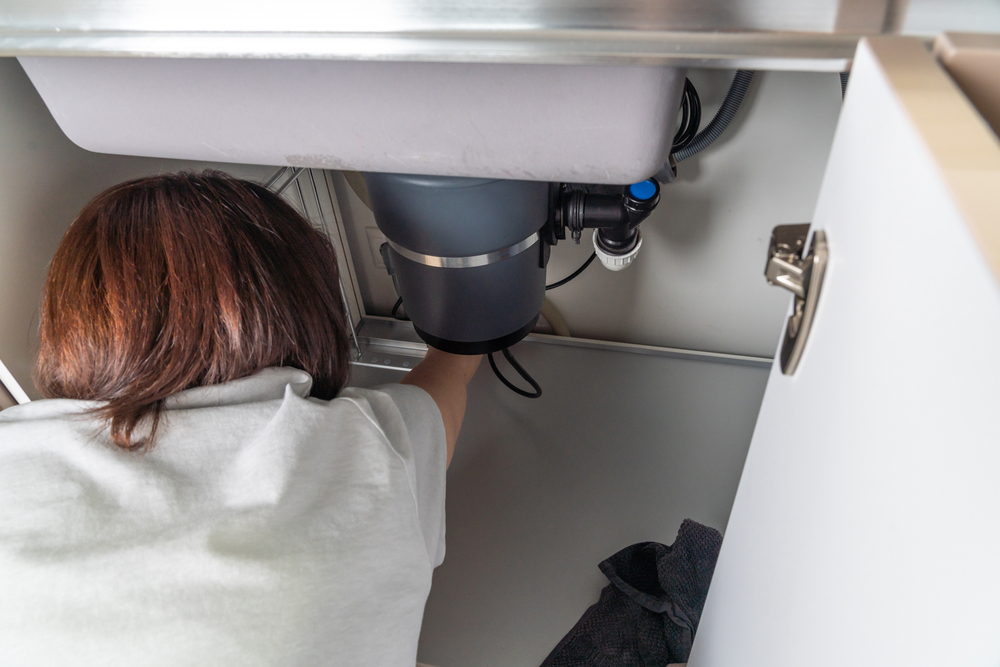
- Inspect garbage disposal for trapped food
- Check the dishwasher drain connection
Bathroom Sewer Smell
- Run water in all drains (sink, shower, tub) for several minutes
- Inspect the toilet wax ring—look for water around the base
- Check that the toilet is properly caulked to the floor
- Pour water down seldom-used floor drains
- Clean the sink overflow hole thoroughly
Basement Sewer Smell
- Pour water down floor drains to refill P-traps
- Check for cracks in the foundation or sewer line
- Inspect sump pump for proper drainage
- Look for signs of sewage backup or water damage
- Ensure basement bathroom drains are functioning

Our Professional Sewer Smell Diagnosis Process
When DIY solutions don't work, Reno Plumbing Doctor provides expert diagnosis and repair:

Video Drain Inspection
We use state-of-the-art camera technology to inspect your drain lines and identify the exact source of the problem—whether it's a dry P-trap, clog, or damaged pipe.

Comprehensive Leak Detection
Our technicians thoroughly inspect all plumbing connections, seals, wax rings, and vent pipes to locate any leaks or failures allowing sewer gas to escape.

Expert Repair Solutions
Once diagnosed, we provide fast, effective repairs—from replacing wax rings and sealing leaks to clearing vent blockages and repairing damaged sewer lines.
Verification Testing
After repairs, we perform thorough testing to ensure the sewer smell is completely eliminated and your plumbing system is functioning properly.

Prevention: How to Keep Sewer Smells Away
Once we've solved your sewer smell problem, follow these tips to prevent future issues:
- Run Water Regularly: If you have seldom-used sinks, showers, or floor drains, run water for 2-3 minutes every few weeks to keep P-traps filled.
- Schedule Annual Inspections: Have your plumbing system professionally inspected once a year to catch small problems before they become major issues.
- Clean Drains Monthly: Use enzyme-based drain cleaners monthly to prevent buildup and keep drains flowing smoothly. Avoid harsh chemical cleaners that can damage pipes.
- Check Vent Pipes: Have your roof vent pipes inspected regularly to ensure they're not blocked by debris, leaves, or animal nests.
- Maintain Toilet Seals: Check around toilet bases for water or looseness. Replace wax rings every 5-7 years or when you notice problems.
- Install P-trap Primers: For floor drains that dry out frequently, consider installing automatic P-trap primers that add water periodically.
Frequently Asked Questions
What Does Sewer Gas Smell Like?
Sewer gas has a distinctive rotten egg smell caused by hydrogen sulfide. It can also have an ammonia-like odor or smell musty and unpleasant. The smell is usually strongest near drains, toilets, or in basements.
Is sewer gas dangerous to breathe?
Yes, sewer gas can be harmful, especially with prolonged exposure. It can cause respiratory problems, headaches, nausea, and dizziness. High concentrations can be toxic. Additionally, methane in sewer gas is flammable and poses an explosion risk in enclosed spaces.
Why does my bathroom smell like sewage when it rains?
Rain can overwhelm your sewer system and force gases back through floor drains or compromised seals. It can also indicate a problem with your roof vent pipe, which may be partially blocked and allowing pressure changes during storms.
How do I fix a dry P-trap?
Simply run water in the affected drain for 2-3 minutes to refill the P-trap. For seldom-used drains, pour a cup of cooking oil down the drain after running water—the oil floats on top and slows evaporation.
Can a clogged vent pipe cause sewer smell?
Absolutely. Vent pipes allow air circulation in your plumbing system. When blocked, negative pressure can suck water out of P-traps or force sewer gas back through drains. You may also hear gurgling sounds when water drains.
Why does my kitchen sink smell like rotten eggs?
Kitchen sink odors usually come from food particles trapped in the drain, garbage disposal, or a dry P-trap. Bacteria decompose the organic matter, producing hydrogen sulfide gas. Clean your disposal regularly and run water to keep the P-trap filled.
How much does it cost to fix sewer smell problems?
Costs vary depending on the cause. Simple fixes like refilling P-traps or replacing wax rings are inexpensive. More complex repairs like sewer line repairs or vent pipe clearing may cost more. We provide free estimates and transparent pricing.
Do you offer emergency sewer smell service?
Yes! We understand that sewer smell problems can be urgent health concerns. We offer same-day service and emergency appointments in Reno and surrounding areas. Call us immediately if you're experiencing strong sewer gas odors.
How long does it take to fix a sewer smell problem?
Most sewer smell repairs can be completed in 1-3 hours, depending on the cause. Simple fixes like replacing a wax ring or clearing a vent pipe are quick. More extensive repairs like sewer line work may take longer, but we work efficiently to minimize disruption.