Questions & Answers
- Do You Have Low Water pressure?
- There are many reasons why you might have low water pressure, including a malfunctioning shut off valve, a compressed water line or deposits that may have gathered in your pipes. If you are the only one on your block noticing the low water pressure then the problem is more than likely between the water meter and your home. All of the technicians at Reno Plumbing Doctor are highly experienced in helping to find a solution.
- How Do I Unjam My Garbage Disposal?
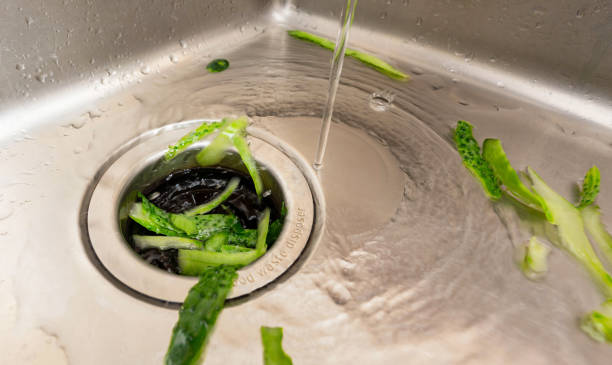
- There could be a stuck flywheel which is one of the blades that chop up the food. You might be able to get it moving again by sticking a broom handle in and trying to rotate the mechanism or you can try running water through the unit while turning the garbage disposer off and on. There is also a reset button on the bottom of the unit.
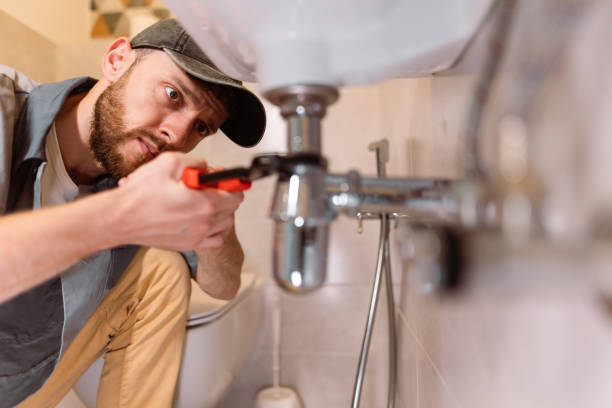
- Should Installing Plumbing Fixtures Be Left To Professionals?
- Many homeowners can do a lot of this themselves but there have been several instances where a customer has called us in the middle of the install stating that something has seriously gone wrong. If you are unsure of your plumbing capabilities it is always best to leave it to the professionals.
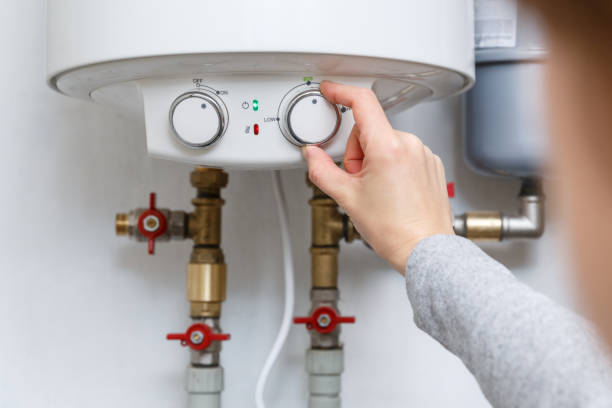
- What Water Heater Do I Need?
- With over 40 years of experience working for you we can help you find the right water heater for your household needs. We will always give you straightforward answers to all of your questions. If it is possible to repair what you already have, we will let you know that too. Never any hidden pricing with us.
- Do I Have A Broken Water Line?
- Some of the possible signs that you may have a broken water line are; a huge increase your water bill, your yard now has puddles, you hear water running when nothing is turned on .... Using a video camera we can find the leak and repair it saving you precious hard earned money.
- The Difference Between Hard And Soft Water
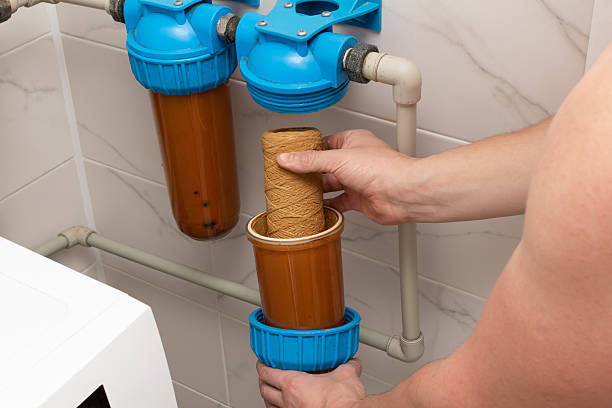
- When washing your families clothes in hard water you will damage them and they will fade and wear out faster. Plumbing fixtures and pipes will deteriorate faster. It will also make a huge difference in the condition of your skin. And let's not forget the nasty taste of the water from the tap when you try to drink it or cook with it. Reno Plumbing Doctor is fully equipped to install a water filtration system that will give you soft water for all of your families needs. Please feel free to check out our systems at RenoPlumbing.Services.
- Why Installing a Water Heater Professionally is Essential for Your Home: A Complete Guide from Reno Plumbing Doctor
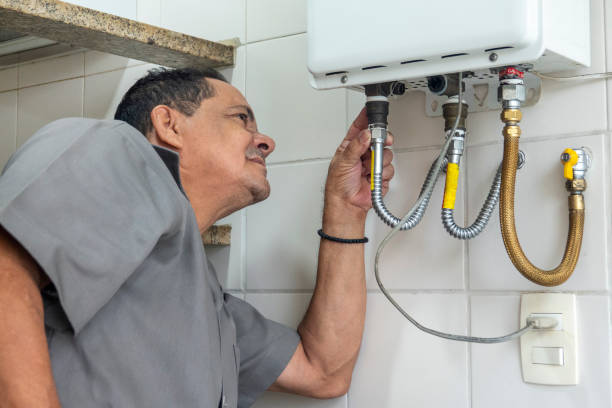
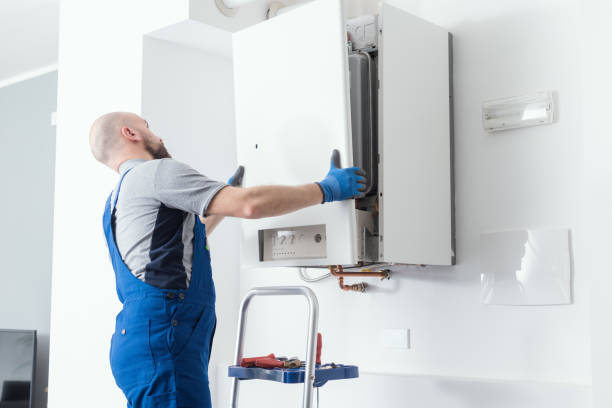
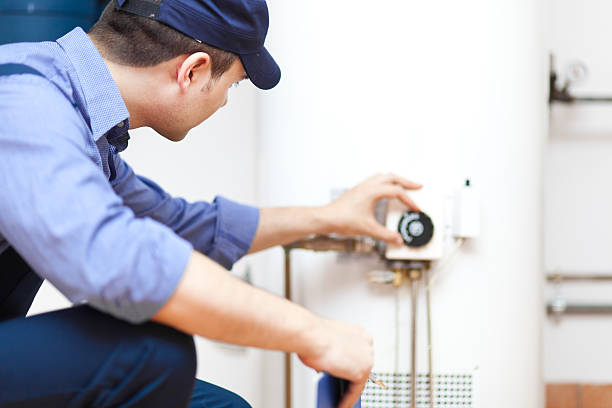
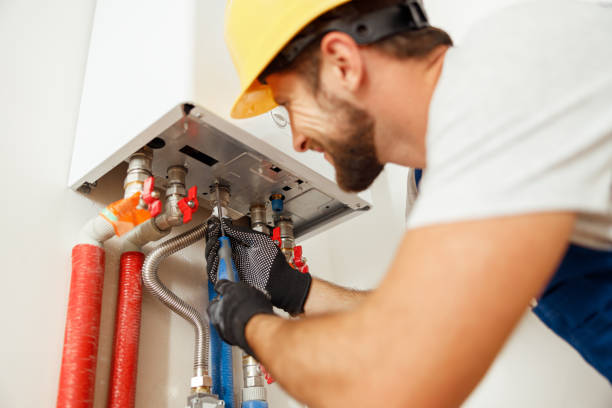
- If you're in need of a new water heater, it may seem tempting to tackle the installation on your own. After all, how difficult can it be to hook up a water heater, right? However, the installation of a water heater is a much more complex process than it appears. Whether you're considering installing a hot water heater, installing a water heater hook up, or even replacing an old unit, it's crucial to understand the importance of professional installation. In this detailed guide, we’ll dive into why installing a water heater professionally is essential, how to hook up a hot water heater properly, the challenges of doing it yourself, and much more. As a trusted plumbing service in Reno, Nevada, Reno Plumbing Doctor is here to explain everything you need to know about this important home improvement task. Why Professional Installation of a Water Heater is Important When it comes to installing a water heater, it’s easy to underestimate the complexity of the task. Many homeowners wonder, “Is it hard to install a water heater?” While it might seem straightforward, improper installation can lead to serious issues, including leaks, gas or electrical malfunctions, and inefficient heating. Let’s explore why professional installation of hot water heaters is critical.
- 1. Safety First: Avoid Potential Hazards Installing a hot water heater is not something that should be done without expert knowledge. Whether you’re installing a gas or electric hot water heater, there are potential risks involved. If a hot water heater hook up isn’t done correctly, it can result in dangerous gas leaks, electrical fires, or even flooding. Plumbing professionals like Reno Plumbing Doctor are trained to handle these risks effectively. If you're asking yourself, “How to hook up a hot water heater?” rest assured that experts are well-versed in safely managing the connection of water, gas, and electricity. For instance, when installing a gas-powered unit, precise installation of gas lines is crucial to prevent leaks, which could lead to deadly carbon monoxide exposure. By hiring a professional, you’re ensuring that your water heater hookup is done safely, keeping your family and home protected.
- 2. Expert Knowledge and Experience Installing a hot water heater requires both plumbing and electrical skills. The process involves connecting various components, including water pipes, gas lines (if applicable), and electrical systems. Without prior knowledge, you could easily make costly mistakes that would result in expensive repairs or a malfunctioning system. Professional plumbers have extensive training and years of experience, ensuring a seamless installation of a water heater. They understand the nuances of the process and can handle even the most complicated installations. When you choose Reno Plumbing Doctor, you get the expertise and attention to detail needed for a job well done.
- 3. Ensuring the Proper Size and Type of Water Heater Choosing the right water heater for your home is crucial. With so many options available—tankless, solar, gas, electric—how do you know which one is right for you? A professional plumber can help you choose the best unit based on your home’s size, water consumption, and energy preferences. For instance, when installing a water heater, a professional will ensure the unit is sized correctly for your home. Installing a water heater that’s too large or too small can lead to inefficiency and higher energy bills. A professional installer will assess your household's needs and recommend a solution that optimizes your home’s hot water usage.
- 4. Proper Permitting and Compliance Did you know that installing a hot water heater requires specific permits? Depending on where you live, there may be local regulations governing the installation of water heaters. If you're installing a water heater yourself, you may unknowingly bypass these requirements, leading to fines or complications when selling your home. By working with Reno Plumbing Doctor, you ensure that all necessary permits are obtained, and the installation complies with local codes and standards. Our team is up to date with the latest regulations in Reno, Nevada, ensuring everything is installed correctly from the start.
- 5. Avoiding Common DIY Mistakes Many homeowners ask themselves, “What to do after installing a new water heater?” If you're a DIYer who attempts to install a hot water heater on your own, you might miss critical steps or make errors that affect the performance of the unit. For example, if the water heater hook up isn't tight enough or the connections aren't properly sealed, you could face water leaks or energy inefficiency. Plumbing professionals know exactly how to set up your hot water heater hookup to ensure long-lasting, reliable performance. They also have the right tools to ensure every part is installed correctly.
- 6. Energy Efficiency and Longevity Proper installation of hot water heaters ensures that the unit operates as efficiently as possible. Poor installation can lead to energy waste, higher utility bills, and premature wear and tear on the system. A professional installer from Reno Plumbing Doctor will ensure your water heater is installed in a way that maximizes its energy efficiency. This can translate into significant savings on your utility bills over time.
- 7. Peace of Mind with a Warranty
Many water heater manufacturers offer warranties, but these warranties often require professional installation. If you attempt to install the unit yourself and something goes wrong, you might void the warranty. By choosing a licensed professional, you can rest easy knowing that your installation is covered, and any future issues will be handled promptly and professionally.
The Step-by-Step Process of Professional Water Heater Installation
When you choose Reno Plumbing Doctor for your water heater installation, here’s what you can expect: - Step 1: Assessment of Your Needs
The first step in the installation of a hot water heater is understanding your home’s specific needs. Our team will assess the number of residents, your daily water usage, and any preferences you may have, such as energy efficiency or water heater type (tankless vs. traditional). - Step 2: Selecting the Right Water Heater
Once we understand your needs, we’ll recommend the perfect unit for your home. Whether you need an electric water heater, gas water heater, or tankless system, we’ll help you make an informed decision. - Step 3: Preparing the Installation Site
Before installing the hot water heater, we’ll prepare the site, which includes shutting off the water supply, draining the old unit (if applicable), and making any necessary adjustments to plumbing or electrical systems. - Step 4: Installing the New Unit
The installation process begins with placing the new water heater in its designated space. We then carefully connect the water supply, gas, and electrical lines (if necessary). - Step 5: Testing and Safety Checks
Once the water heater is installed, we conduct several tests to ensure everything is working properly. This includes checking for leaks, verifying the hot water heater hookup, and making sure the system is functioning efficiently. - Step 6: Final Adjustments and Clean-Up
We’ll make any necessary adjustments to the system to optimize performance and energy efficiency. Once everything is set, we’ll clean up the installation area, leaving your home spotless. - What to Do After Installing a New Water Heater
After the installation of a water heater is complete, there are a few important steps you should take to ensure the system functions properly and efficiently: - 1. Check for Leaks: After the hot water heater hook up, monitor the unit for any signs of leaks. If you notice any, contact a professional plumber immediately.
- 2. Set the Temperature: Adjust the temperature of your hot water heater to the desired setting. Typically, a safe temperature is around 120°F to avoid scalding and reduce energy consumption.
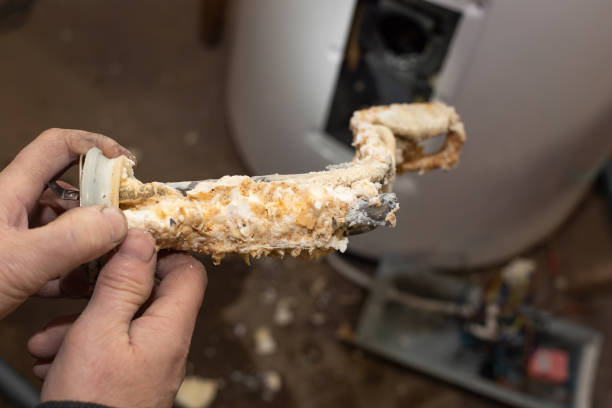
- 3. Regular Maintenance: To extend the lifespan of your water heater, regular maintenance is essential. This includes flushing the tank to remove sediment buildup and checking the anode rod.
- 4. Schedule a Check-Up: It’s a good idea to have your water heater inspected periodically by a professional plumber, especially if you notice any performance issues.
- Conclusion: Why Choose Reno Plumbing Doctor for Your Water Heater Installation?
When it comes to installing a hot water heater in Reno, Nevada, don’t leave it to chance. Reno Plumbing Doctor is your trusted local expert in water heater installation. Our experienced team will ensure your system is installed safely, efficiently, and in full compliance with local codes. By choosing us, you not only get the benefit of expert knowledge but also enjoy peace of mind knowing your water heater installation is in capable hands. From water heater hook up to ensuring your system runs smoothly for years, Reno Plumbing Doctor is here to make your home more comfortable. Ready to upgrade your water heater? Contact Reno Plumbing Doctor today for a free consultation and experience professional, top-quality service in the heart of Reno, Nevada.
. - Optimal Residential Water Treatment Solutions
- Choosing the Right Residential Water Treatment System Choosing the right residential water treatment system is crucial for every homeowner. Clean water is essential for health and well-being. Many homes face issues with water quality. Contaminants can affect taste, odor, and safety. Understanding your water's specific needs is the first step. Testing your water helps identify the right treatment system. There are various systems available, each with unique benefits. From reverse osmosis to carbon filters, options abound. This guide will help you navigate the choices. Learn how to improve your home's water quality effectively. Summary This guide explains how to test and assess your home's water to identify contaminants, then choose the right treatment solution. It compares system types—reverse osmosis, carbon filters, UV purifiers, and water softeners—and when to combine them. You’ll learn key selection factors (cost, maintenance, capacity, certifications), the trade-offs between whole-house and point-of-use systems, and essential installation and upkeep tips. The aim is cleaner, safer, better-tasting water that protects health and appliances while reducing reliance on bottled water. Why Residential Water Treatment Matters Residential water treatment ensures clean and safe water at home. Contaminants in tap water can pose health risks. Treating water improves its taste, odor, and quality. Different contaminants require specific solutions. Effective water treatment protects against waterborne diseases. A suitable system provides peace of mind for your family. Here are key reasons why water treatment is essential: Protects against harmful bacteria and viruses Improves the taste and smell of water Removes harmful chemicals and heavy metals Extends the lifespan of appliances Investing in a water treatment system benefits everyone in your household. Clean water is vital for cooking, drinking, and bathing. Quality water supports a healthier lifestyle. Common Water Contaminants in Homes Understanding common contaminants helps choose the right treatment system. Various impurities can affect water quality and safety. Contaminants often originate from natural sources or human activities. Here are typical water contaminants found in homes: Bacteria and Viruses: Pathogens causing illness Heavy Metals: Lead, arsenic, and mercury Chemicals: Pesticides, chlorine, and industrial pollutants Minerals: Calcium and magnesium causing hardness Each contaminant can have distinct health effects. For example, heavy metals may lead to serious health issues. Meanwhile, excess minerals can cause appliance scale buildup. Regular water testing helps identify these contaminants. Understanding your home's water profile is crucial. Accurate assessment aids in selecting the most efficient treatment option. Types of Residential Water Treatment Systems Choosing the right residential water treatment system involves understanding the available types. Each system targets specific contaminants. Knowing what your water contains aids in selecting the best option. Reverse Osmosis Systems Reverse osmosis systems are highly effective. They remove a wide range of pollutants, including heavy metals and nitrates. Homes with diverse contaminants benefit greatly from this system. Carbon Filters Carbon filters enhance taste and odor. These filters specialize in eliminating chlorine and volatile organic compounds (VOCs). They are ideal for improving the overall quality of drinking water. Popular Types of Carbon Filters: Granular Activated Carbon (GAC) Carbon Block Filters UV Purifiers UV purifiers focus on biological contaminants. These systems efficiently eliminate bacteria and viruses. They are excellent for ensuring microbiologically safe water. Water Softeners Hard water is a common issue in many homes. Water softeners tackle calcium and magnesium ions. These systems protect appliances and pipes from scale buildup. Benefits of Water Softeners: Extend appliance lifespan Improves soap efficiency Each treatment system serves distinct purposes. Combining systems can address a spectrum of contaminants. Whether a single method or a multi-stage approach, choosing the right solution is essential. How to Assess Your Home's Water Quality Understanding your home's water quality is crucial before selecting a treatment system. The first step is to conduct a comprehensive water test. This reveals the specific contaminants present. To analyze water quality, consider using a certified laboratory service or an at-home testing kit. These options offer insights into various water parameters. You can identify pH levels, hardness, and potential pollutants. Key Factors to Test for: Heavy metals (e.g., lead, mercury) Bacteria and viruses Nitrates and sulfates Chlorine content Local water quality reports can provide additional information. These reports help pinpoint prevalent issues in your area. Armed with test results, you can make informed decisions about which water treatment systems best suit your needs. Key Factors to Consider When Choosing a System Selecting the right water treatment system requires careful consideration of several factors. Assess your water quality needs based on the contaminants identified. This helps tailor your choice to solve specific problems. Budget plays a pivotal role in your decision-making process. Weigh initial costs against long-term maintenance expenses. Some systems might be more affordable upfront but costlier to maintain. Consider the Following Factors: Contaminants you need to remove System's maintenance requirements Installation complexity Energy efficiency of the system Evaluate the system's capacity relative to your household's water usage. A mismatch could lead to inefficiencies. Ensure the system you choose is certified for safety and performance standards. This guarantees consistent and reliable operation over time. Whole-House vs. Point-of-Use Systems Understanding the distinction between whole-house and point-of-use systems is crucial. Whole-house systems treat water as it enters the home. They ensure every tap delivers treated water, addressing widespread contamination. Point-of-use systems, however, target specific locations, such as the kitchen sink or shower. Key Differences: Coverage: Whole-house vs. specific taps Complexity: Installation varies Cost: Whole-house systems are often pricier Choose a system based on your specific needs and budget. If comprehensive coverage is needed, a whole-house system is ideal. For targeted solutions, point-of-use might be your best option. by Anas (https://unsplash.com/@anas_jpg) Installation and Maintenance Tips Proper installation ensures your water treatment system functions effectively. For complex systems, consider professional installation. An expert can guarantee the setup is correct and efficient. Regular maintenance extends the life of your water treatment system. Changing filters at recommended intervals is vital. This keeps the system working at its best. Maintenance Checklist: Replace filters regularly Inspect components for damage Follow manufacturer guidelines Routine checks prevent unexpected issues and costs. Keeping a maintenance schedule helps you track necessary tasks. A well-maintained system ensures your water remains clean and safe for use. Benefits of Home Water Filtration Home water filtration systems offer numerous advantages. They significantly improve the taste and smell of your water. Cleaner water enhances daily activities like cooking and showering. Key Benefits: Reduces health risks from contaminants Protects plumbing and appliances Cuts down on bottled water purchases With a water filtration system, you can reduce exposure to harmful substances. This promotes better overall health and well-being. Additionally, filtered water is more environmentally friendly than single-use bottles. Conclusion: Making the Right Choice for Your Home Choosing the right residential water treatment system involves considering water quality, system type, and maintenance needs. By understanding these aspects, homeowners can ensure safe, clean water for their families, enhancing both health and quality of life.