Winterizing Plumbing: 6 Proven Steps to Protect Your Reno Home
Why Winterizing Plumbing Matters in Reno Homes
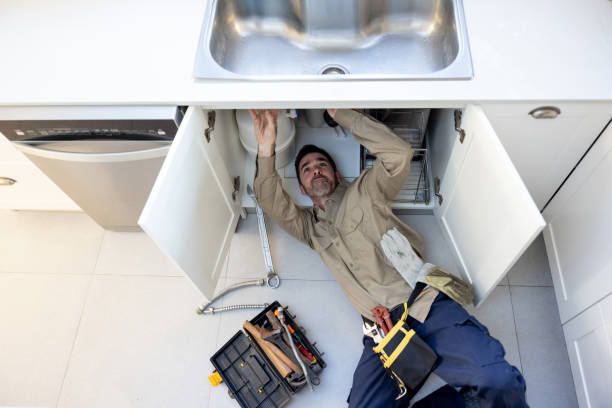
Reno’s winters can be harsh, with temperatures that frequently dip below freezing. Homeowners face the real risk of frozen or burst pipes during cold spells. Taking time to winterize plumbing in Reno homes helps prevent water damage, costly repairs, and major disruptions.
Protecting plumbing systems is more than just a seasonal task. It’s an investment in keeping your home safe, warm, and efficient. From insulation to emergency prep, each step ensures Reno residents avoid preventable problems. A proactive approach also reduces long-term repair costs, especially when guided by professionals from Reno Plumbing Doctor.
1. Insulate Exposed Pipes for Freeze Protection
Insulating pipes is the most effective way to stop freezing. Exposed pipes in garages, crawl spaces, attics, and basements need special attention. Using insulation wraps or sleeves keeps heat inside the pipe. This reduces the risk of frozen water and pipe bursts during Reno’s cold winters.
Best Materials for Pipe Insulation
Choosing the right insulation material ensures maximum freeze protection. Foam pipe covers are affordable and easy to install. Fiberglass insulation offers added durability. Rubber sleeves provide flexibility in extreme conditions. Each option creates a barrier that holds warmth inside and keeps cold air out.
Areas in Reno Homes Most at Risk
Certain areas are especially vulnerable in freezing weather. Basements, crawl spaces, and garages often lack heat. Attics with plumbing lines are also high-risk zones. Insulating these areas first helps minimize exposure. Focusing on weak spots gives homeowners peace of mind all season long.
2. Protect Outdoor Spigots and Garden Faucets
Outdoor spigots are one of the leading sources of winter pipe damage. When left unprotected, trapped water expands and freezes inside the spigot. Covering outdoor faucets and shutting off their water supply protects plumbing from bursting. Simple steps now prevent expensive repairs later.
How to Shut Off and Drain Outdoor Spigots
Homeowners should locate the shut-off valve for outdoor faucets before winter begins. After turning off the valve, spigots need draining to remove trapped water. Using insulated faucet covers adds an extra layer of protection. Drained and covered spigots remain safe during freezing nights.
Installing Frost-Proof Faucets for Long-Term Safety
A more permanent solution is replacing traditional spigots with frost-proof models. These specialized faucets extend the valve deeper into the wall, keeping water away from cold exposure. Though installation requires a plumber, frost-proof spigots reduce long-term risks and improve seasonal reliability.
3. Keep Indoor Pipes Warm During Cold Nights
Even inside the home, pipes can freeze when temperatures drop. Simple habits like opening cabinet doors and keeping a steady thermostat make a difference. Allowing warm air to circulate around pipes keeps water moving. This practice reduces freeze risks and keeps systems functional.
Simple Tips for Temperature Management
Maintaining consistent indoor heat is the easiest way to prevent frozen plumbing. Avoid turning off heat at night or when leaving home. Set the thermostats at a steady temperature. Space heaters in cold zones help too. These strategies ensure pipes stay safe through winter’s coldest nights.
Emergency Tips When Pipes Begin Freezing
If pipes begin to freeze, quick action is critical. Turning on faucets slightly allows water to flow, preventing pressure buildup. Applying heat with a space heater or hair dryer helps thaw pipes safely. Avoid using open flames, which can damage plumbing and create hazards.
4. Drain and Disconnect Outdoor Hoses
Leaving garden hoses connected during winter is a common mistake. Water trapped inside hoses freezes, expands, and pushes back into home plumbing. Disconnecting hoses before freezing temperatures arrive prevents damage. Proper winter storage also extends the lifespan of outdoor hoses.
Why Hose Connections Lead to Pipe Bursting
Hose connections create hidden freeze points. As water expands, pressure builds in connected spigots and pipes. This pressure often causes bursting inside walls or basements. Removing hoses breaks the chain, ensuring water cannot freeze back into indoor plumbing.
Safe Storage Tips for Winter Hose Care
After disconnecting hoses, drain them completely. Coil and store them indoors to avoid cracking. Hanging hoses prevents kinks and extends their lifespan. When spring arrives, properly stored hoses are ready for use without damage from winter exposure.
5. Maintain Water Pressure to Prevent Cracks
Water pressure changes in winter can lead to cracks in pipes. Frozen water expands and creates dangerous pressure buildups. Installing a pressure regulator keeps household systems balanced. Monitoring water pressure regularly helps Reno homeowners spot risks early and avoid costly plumbing failures.
How Pressure Changes Cause Leaks in Winter
Pressure spikes occur when ice blocks pipes. Trapped water has nowhere to go, forcing pressure against weak joints. This often causes small leaks that expand into major breaks. Recognizing early signs like dripping faucets helps homeowners address pressure issues quickly.
Using Regulators for Safer Plumbing
A pressure regulator ensures water flow stays consistent. This reduces stress on pipes and plumbing fixtures. Regulators are inexpensive and easy to install with professional help. By stabilizing water systems, they reduce leak risks and extend the lifespan of household plumbing.
6. Create a Winter Plumbing Emergency Plan
Even with preparation, emergencies can still happen. A winter plumbing plan ensures families know what to do when pipes freeze or burst. Keeping supplies on hand and having emergency contacts ready reduces stress. This readiness helps Reno homeowners handle problems quickly and safely.
Supplies Every Home Should Have Ready
Every home should keep a winter plumbing kit. Supplies include pipe insulation, faucet covers, a flashlight, and a portable heater. Bottled water is also important if pipes freeze completely. With a kit in place, homeowners respond faster and minimize damage.
Knowing When to Call for Help
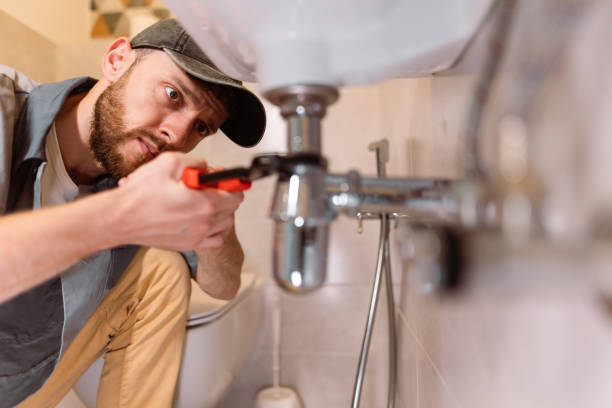
Recognizing when to call a plumber prevents small problems from escalating. If water flow stops or leaks appear, it’s time for professional help. Acting quickly saves money and prevents water damage. Emergency numbers should always be accessible to every household member.
Protect Your Reno Home with Reno Plumbing Doctor
The expert team at Reno Plumbing Doctor understands the unique challenges of Reno’s winters. With services that include inspections, repairs, and emergency support, we keep plumbing systems safe and efficient. By trusting skilled professionals, homeowners can enjoy peace of mind knowing their home is ready for cold conditions.
Frequently Asked Questions (FAQs)
Reno homeowners often have questions about winterizing plumbing. From insulation to emergency steps, knowing what to do reduces risks. These common questions provide helpful guidance to keep plumbing systems safe during freezing conditions.
1. What is the best way to insulate pipes in Reno homes?
Foam pipe covers are cost-effective and easy to install. Fiberglass and rubber sleeves offer more durability and flexibility. Choosing based on pipe location ensures maximum protection.
2. How do you know if pipes are starting to freeze?
Reduced water flow, frost on pipes, or strange noises often indicate freezing. Acting quickly with safe thawing methods prevents major damage.
3. Should you leave faucets dripping during cold nights?
Yes. A slow drip keeps water moving, reducing pressure buildup. This simple trick often prevents frozen and burst pipes.
4. How can you prepare outdoor faucets for winter?
Turn off the outdoor water supply, drain the spigots, and cover them with insulated caps. Consider upgrading to frost-proof faucets for long-term protection.
5. When should you call an emergency drain cleaning service?
If drains back up or clog during freezing weather, call immediately. Fast professional service restores water flow and prevents more severe plumbing problems.